FDA’s TESTING METHOD FOR HAND SANITIZERS
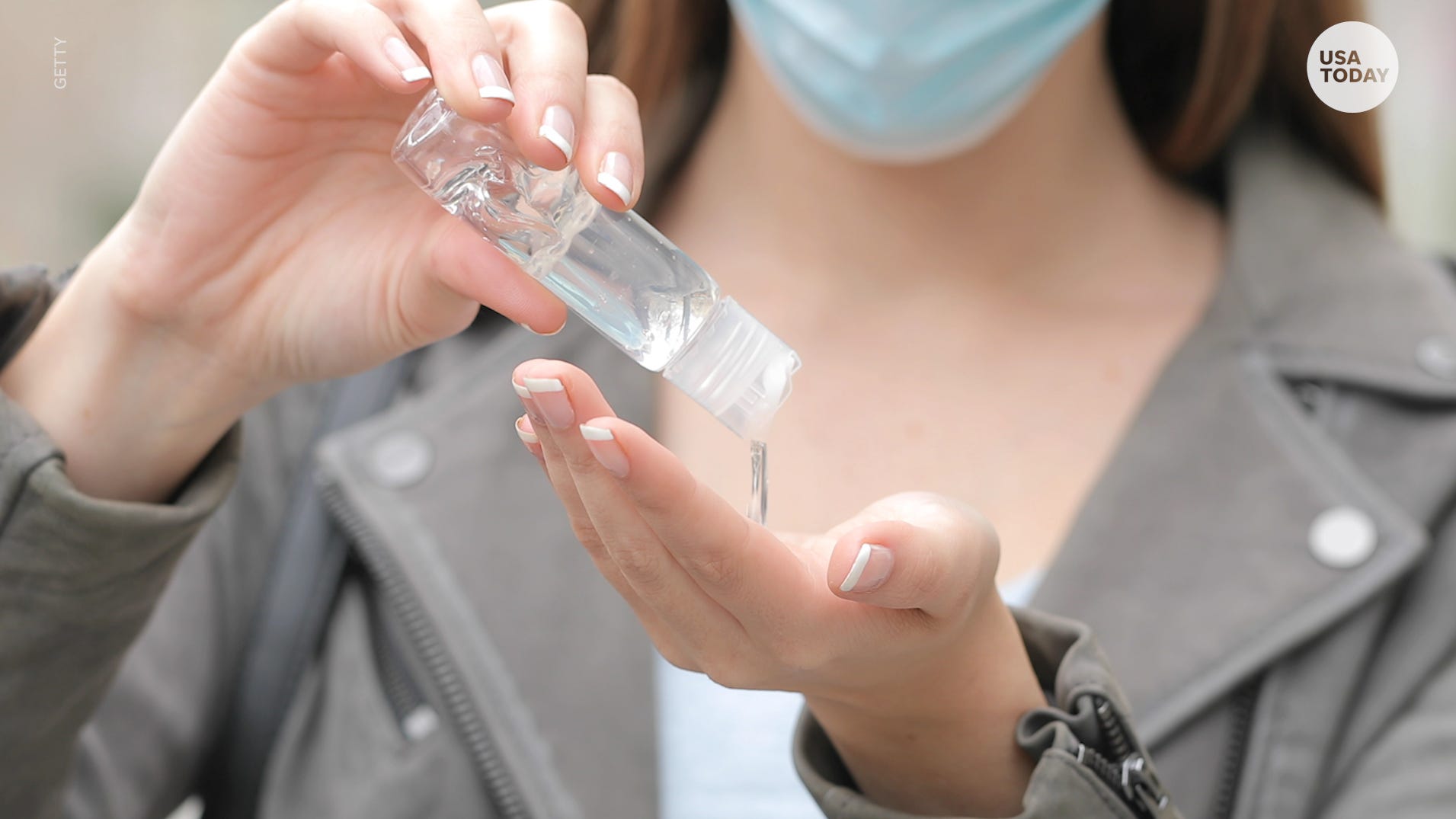
The Food and Drug Administration (FDA) regulates hand sanitizers in the U.S., as they are considered over-the-counter (OTC) drugs. Recently, the FDA warned consumers about methanol contamination in some hand sanitizers (and consequences of its use), publishing a list of hand sanitizers that have tested positive for methanol and advising consumers not to use it. Additionally, the FDA issued updated guidance to provide additional clarification on testing of alcohol used in hand sanitizers manufactured under FDA’s temporary policies. The guidance recommended test methods (USP monograph for ethanol) as well as conducting the testing in a laboratory previously inspected by the FDA and in compliance with current good manufacturing practice (cGMP). The main goal of these guidelines was to help ensure that harmful levels of methanol were not present and that such hand sanitizers are free from contamination. Under the FD&C Act, alcohol-based hand sanitizers that are contaminated with methanol are subject to adulteration charges.
On August 24th 2020, to help ensure that hand sanitizers contain the correct ingredients and do not contain harmful levels of impurities, the FDA provided a laboratory testing method. A Gas Chromatography-Mass Spectromatry (GC-MS) method was developed and validated for the quality assessment of hand sanitizers. This method can be used to test the quantity of alcohol (ethanol and isopropanol) as well as detect impurities (listed in the FDA hand sanitizer guidance).
The United States Pharmacopeia (USP) revision bulletin for alcohol and dehydrated alcohol monographs include testing ethanol for methanol contamination as a quality standard and it will be official from September 1st 2020.
FDA’s UPDATE ON HAND SANITIZERS CONTAMINATION AND PACKAGING
Two days ago, FDA issued a new press release, warning consumers about alcohol-based hand sanitizers that are being packaged in containers that may appear as food or drinks and which, if ingested, may put consumers at risk of serious injury or death.
The FDA has found hand sanitizers packaged in beer cans, children’s food pouches, water bottles, juice bottles and vodka bottles and it has also found that some hand sanitizers contain food flavours (e.g. chocolate or raspberry). One of the reports received by the FDA described a consumer that purchased a bottle thinking it was a drinking water when it actually was a hand sanitizer. This kind of products may result in consumer’s confusion and lead to incidental ingestion of hand sanitizers. Hand sanitizers can be toxic when ingested and there has been increasing reports of adverse effects following hand sanitizer ingestion.
The overall goal of the FDA updates and press releases is to protect health care providers and consumers from using dangerous hand sanitizer products. The increasing people’s awareness to problems associated with hand sanitizers – contamination and misuse – is an essential route to avoid adverse effects and ensure the correct use of such products.
References:
U.S. Food and Drug Administration (FDA) – FDA Updates on Hand Sanitizers Consumers Should not Use. Available at: https://www.fda.gov/drugs/drug-safety-and-availability/fda-updates-hand-sanitizers-consumers-should-not-use
U.S. Food and Drug Administration (FDA) – Direct Injection Gas Chromatography Mass Spectrometry (GC-MS) Method for the Detection of Listed Impurities in Hand Sanitizers. Available at: https://www.fda.gov/media/141501/download
United States Pharmacopeia (USP) – Alcohol Revision Bulletin. Available at: https://www.uspnf.com/sites/default/files/usp_pdf/EN/USPNF/revisions/alcohol-rb-notice-20200817.pdf
U.S. Food and Drug Administration (FDA) – FDA New Release – COVID-19 Update: FDA Warns Consumers About Hand Sanitizer Packaged in Food and Drink Containers. Available at: https://www.fda.gov/news-events/press-announcements/covid-19-update-fda-warns-consumers-about-hand-sanitizer-packaged-food-and-drink-containers