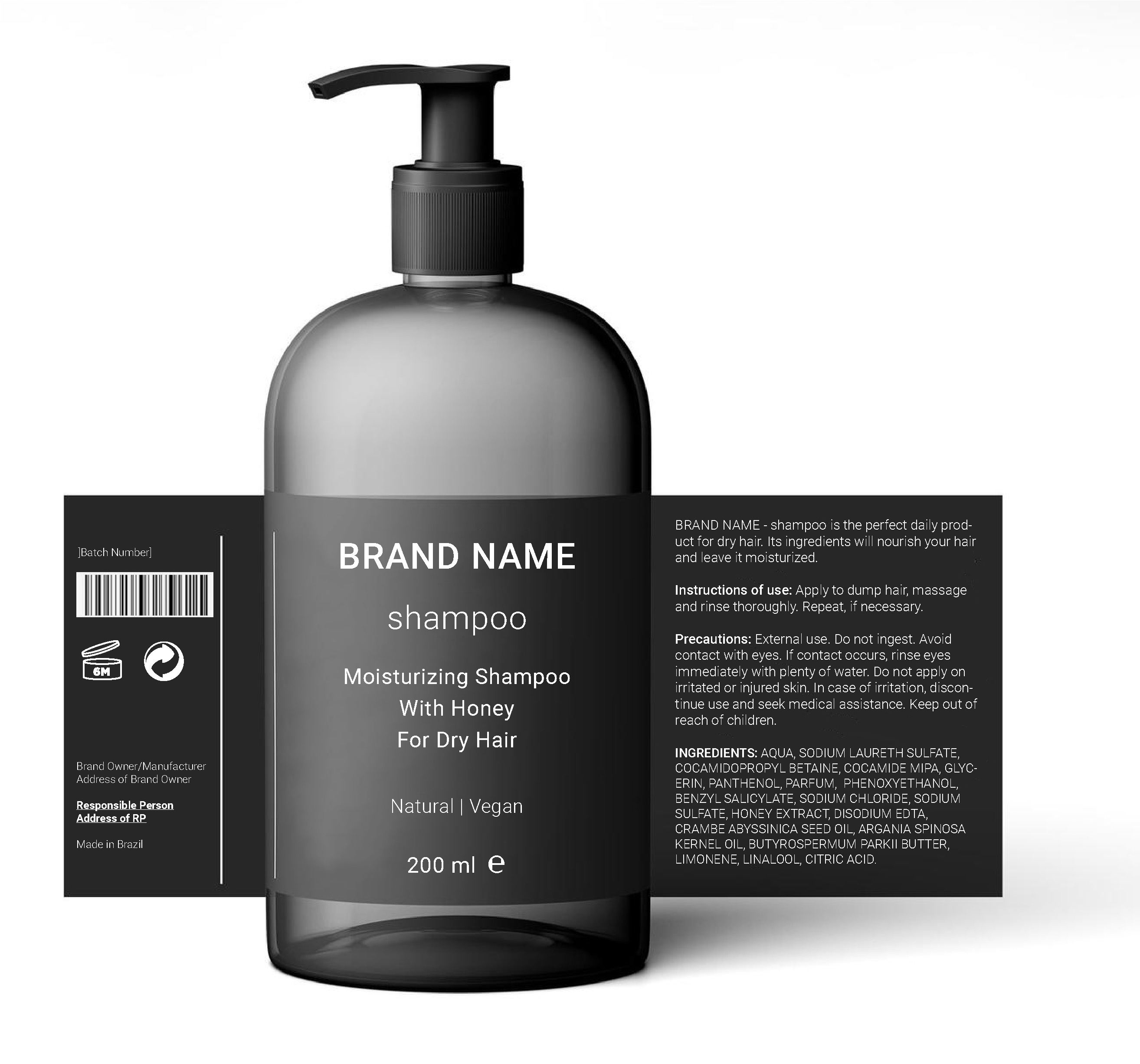
Updated Glossary of Common Ingredient Names for Cosmetic Product Labelling
Topic: Glossary of Common Cosmetic Ingredient Names.

Date of publication: 16 June 2025

The European Commission has updated the glossary of common ingredient names for cosmetic product labelling, expanding the list and establishing new implementation timelines with a transition period beginning July 30, 2025.

What’s new?

On 16 June 2025, the European Commission adopted Commission Implementing Decision (EU) 2025/1175, formally updating the glossary of common ingredient names required for cosmetic product labelling under Regulation (EC) No 1223/2009.

This decision replaces the previous glossary established by Commission Implementing Decision (EU) 2022/677, which has been in force since April 29, 2023.

The update addresses the substantial number of new ingredient names that have entered the EU cosmetic market since the previous version, incorporating the latest internationally recognized nomenclatures including the International Nomenclature of Cosmetic Ingredients (INCI) as published by the Personal Care Product Council.

  • Total entries increased from 30 070 to 30 418 ingredient names
  • Incorporates new INCI names published by the Personal Care Product Council
  • Corrects erroneous ingredient names and removes outdated perfume nomenclature references
  • For colorants other than hair colorants, Colour Index (CI) numbers take precedence where applicable
  • All common ingredient names listed alphabetically with sequential numbering for reference

What now?

Commission Implementing Decision (EU) 2025/1175 entered into force on 30 July 2025.

From 30 July 2025 to 29 July 2026Voluntary transition period where companies may begin using updated glossary names for labelling compliance

From 30 July 2026Mandatory application date where all cosmetic products placed on the EU market must use the updated glossary names for ingredient labelling.


References

Commission Implementing Decision (EU) 2025/1175 of 16 June 2025 laying down rules for the application of Regulation (EC) No 1223/2009 of the European Parliament and of the Council as regards the glossary of common ingredient names for use in the labelling of cosmetic products and repealing Commission Implementing Decision (EU) 2022/677

other REGULATORY UPDATES

SCCS Revision of the Scientific Opinion on Vitamin A

Ingredients: RETINOL, RETINYL PALMITATE, RETINYL ACETATE, RETINYL LINOLEATE, RETINAL

Date of publication: 25/10/2022

The Scientific Committee on Consumer Safety has issued a final version of the Scientific Opinion on Vitamin A, concluding that exposure to Vitamin A derived from cosmetics can be a concern for higher exposure consumers, and since cosmetics alone do not exceed the upper limit the SCCS cannot suggest maximum concentration limits that take into account contributions from other sources.

Read More »
Any REGULATORY QUESTION?

Regulation (EU) 2022/692 – OMNIBUS ACT VI – New and Updated Classification of Cosmetic Ingredients

Ingredients: BENZOPHENONE, TEOPHYLLINE, MELAMINE, AZADIRACHTA EXTRACTS, TRIMETHYLOLPROPANE TRIACRYLATE, PENTETIC ACID, PENTASODIUM PENTETATE

Date of publication: 03/05/2022

Date of application: 01/12/2023

The Commission Delegated Regulation (EU) 2022/692 includes new or updated classification for 12 chemicals that may be used as cosmetic ingredients. Seven out of these 12 are now classified as carcinogenic, mutagenic or toxic to reproduction (CMR) and are banned from cosmetic products marketed in the EU.

Read More »

SCCS Revision of the Scientific Opinion on Vitamin A

Ingredients: RETINOL, RETINYL PALMITATE, RETINYL ACETATE, RETINYL LINOLEATE, RETINAL

Date of publication: 25/10/2022

The Scientific Committee on Consumer Safety has issued a final version of the Scientific Opinion on Vitamin A, concluding that exposure to Vitamin A derived from cosmetics can be a concern for higher exposure consumers, and since cosmetics alone do not exceed the upper limit the SCCS cannot suggest maximum concentration limits that take into account contributions from other sources.

Read More »