What’s new?
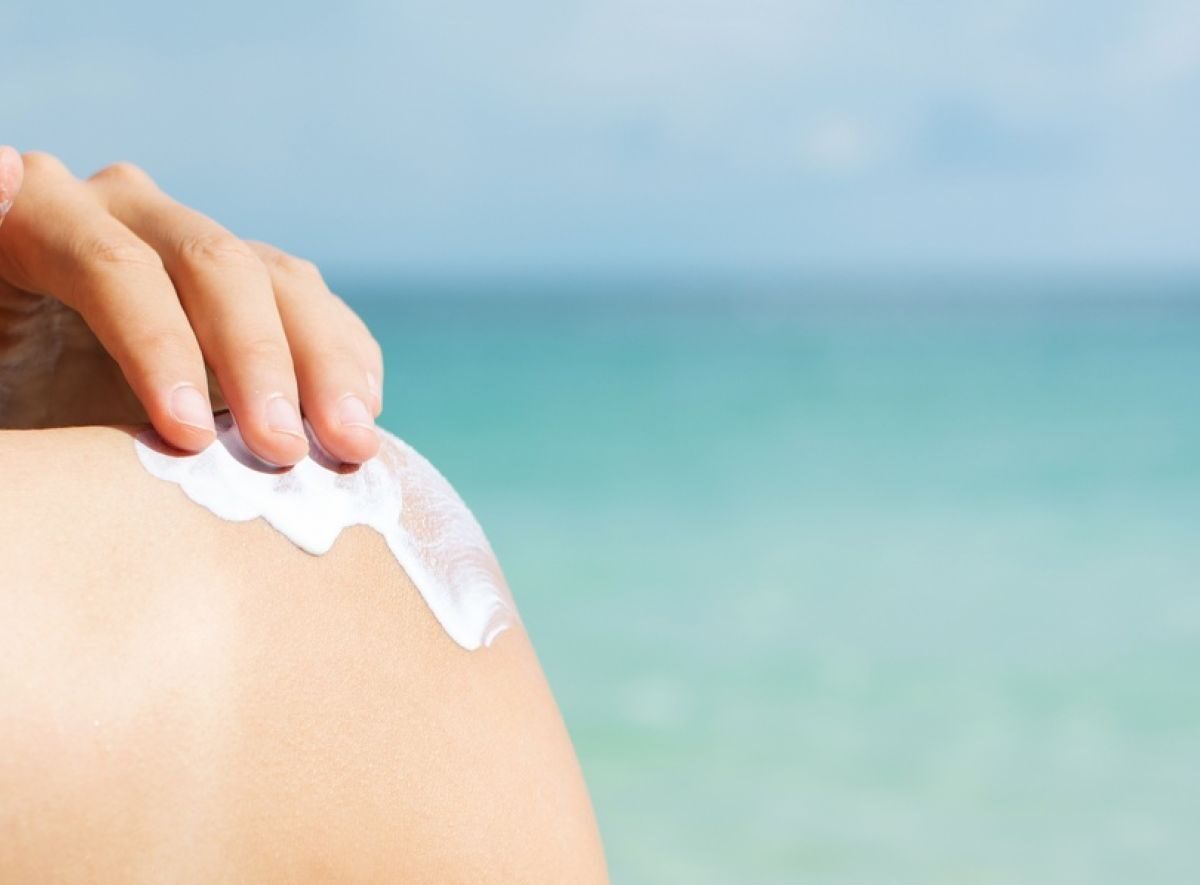
The Scientific Committee on Consumer Safety (SCCS) has published scientific advice on Diethylamino Hydroxybenzoyl Hexyl Benzoate (DHHB), focusing specifically on contamination levels of di-n-hexyl phthalate (DnHexP). This advice follows concerns raised by German authorities who detected mono-n-hexyl phthalate (MnHexP) metabolites in children’s urine samples, potentially linked to sunscreen use.
DHHB is currently authorized under Entry 28 of Annex VI of the EU Cosmetics Regulation at concentrations up to 10% in finished cosmetic products. While DnHexP itself is prohibited under Entry 1559 of Annex II, it may occur as an unavoidable manufacturing impurity in DHHB production processes.
The SCCS’s advice addresses two specific questions: establishing maximum safe contamination levels for DnHexP in DHHB, and evaluating whether alternative manufacturing processes could minimize this impurity to technically achievable levels.
Main conclusions
Considering the health concerns associated with DnHexP, the SCCS calculated a maximum safe level of 0.026% (260 ppm) for this impurity in the UV filter DHHB. This applies when DHHB is used up to 10% in cosmetic products and only if DnHexP is an unavoidable impurity.
What now?
This scientific advice directly affects UV filter suppliers and sunscreen manufacturers using DHHB as an active ingredient.
Companies must ensure DHHB comply with the established 260 ppm maximum limit for DnHexP contamination when the impurity is technically unavoidable.