What’s new?
On the 26th of March 2026, the Scientific Committee on Consumer Safety (SCCS) adopted its final scientific advice on the safety of Cannabidiol (CBD) (CAS/EC No. 13956-29-1/689-176-3) when used as a cosmetic ingredient. The preliminary opinion was open for comments until January 21, 2026, and considering the information received during the commenting period, the SCCS released its final advice with changes in the dermal/percutaneous absorption section, toxicological evaluation, discussion and conclusions.
This assessment responds to the European Commission’s request to evaluate CBD safety profile and identify the maximum safe level of Delta-9-tetrahydrocannabinol (THC) present as a contaminant.
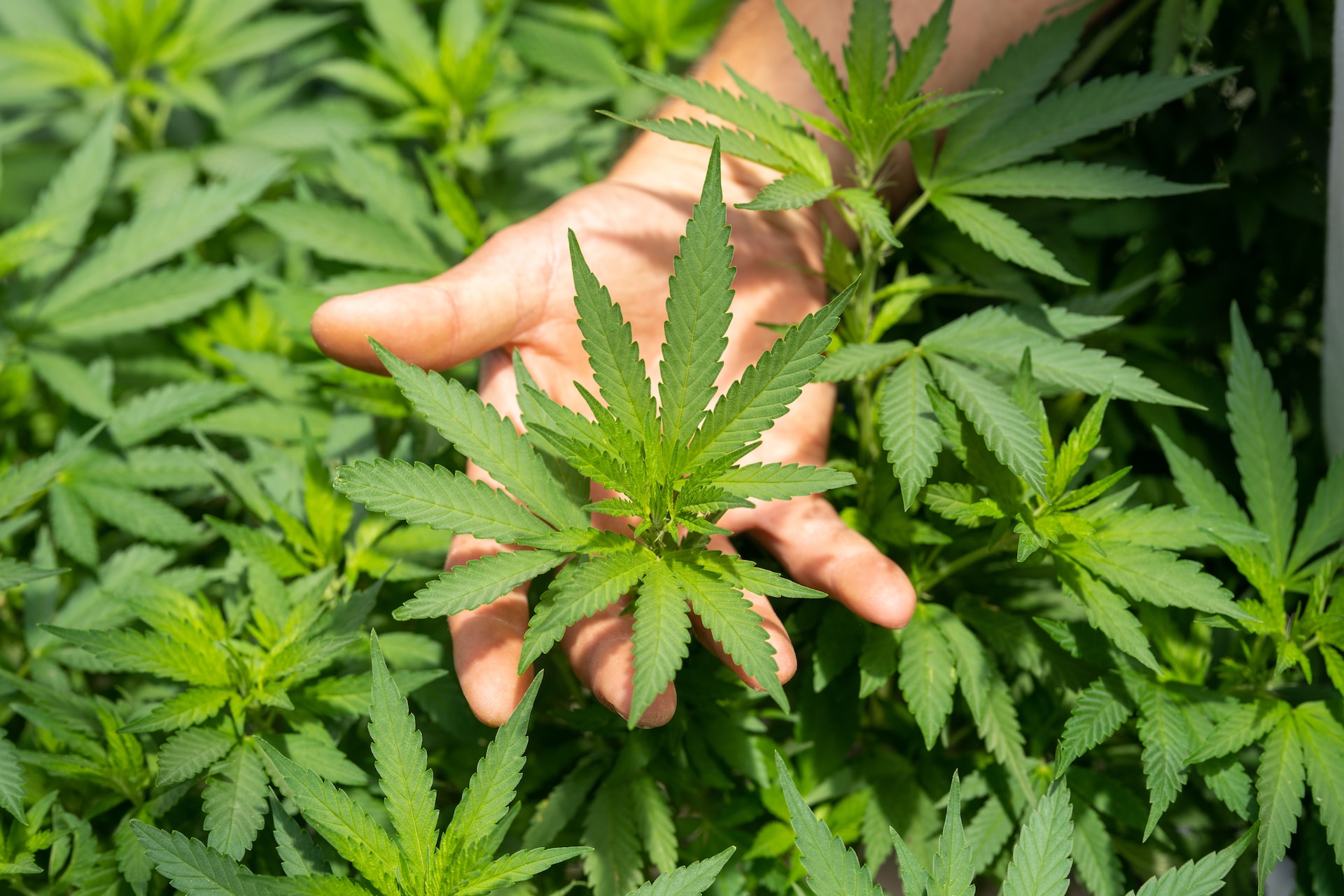
Cannabidiol is a naturally occurring cannabinoid derived from Cannabis sativa L., incorporated into cosmetic formulations as a ‘skin conditioning’, ‘skin protecting’, ‘antioxidant’ and ‘anti-sebum’ agent. Currently, CBD is not regulated under the Regulation (EC) No 1223/2009 on cosmetic products. However, entry 306 of Annex II prohibits the use of ‘Narcotics, natural and synthetic’ substances. In 2020, the Court of Justice of the EU (CJEU) concluded that CBD should not be considered as a narcotic drug and that a legislation limiting its marketing could be appropriate for protecting public health.
Key findings:
The SCCS considers CBD safe when used at concentrations up to 0.19% and the presence of THC impurities as safe at concentrations up to 0.00025% in dermal cosmetic products and oral cosmetic products – whether used alone or together.
The opinion is based only on the safety of pure CBD and it did not consider cosmetic products that may lead to exposure of the end user’s lungs by inhalation.
What now?
The European Commission will likely amend Annex III of the Cosmetics Regulation to implement these restrictions, with typical transition periods of 18-24 months for compliance.